The Bald Eagle is one of the most powerful and recognizable birds of prey in the world. Known for its sharp eyesight, strong talons, and impressive wingspan, this majestic raptor relies heavily on a well-balanced natural diet to survive and thrive in the wild.
Understanding what bald eagles eat is important not only for bird enthusiasts but also for conservationists, wildlife students, and nature lovers who want to protect their habitats.
In this detailed guide, we will explore the top 10 best foods for bald eagles, explaining why each food source is important, how it fits into their hunting behavior, and how seasonal changes affect their diet.
Understanding the Natural Diet of Bald Eagles
Bald eagles are primarily carnivorous birds. They are classified as opportunistic feeders, which means they eat whatever food is most available in their environment. While fish make up the largest part of their diet, bald eagles are highly adaptable and will hunt birds, mammals, and even scavenge when necessary.
Their diet varies depending on location, season, and food availability. Eagles living near rivers, lakes, and coastal areas depend more on fish, while those in inland regions may consume more birds and mammals.
Here Are The Full Details About Top 10 Best Foods For Bald Eagle
1. Fish – The Primary Food Source
Fish are the most important and preferred food for bald eagles. In many regions, fish can make up more than 70% of their total diet. Bald eagles hunt fish by soaring over water bodies and swooping down to grab them with their powerful talons.
Common fish species eaten by bald eagles include salmon, trout, catfish, and herring. Fish are rich in protein and healthy fats, which help maintain the eagle’s muscle strength and feather quality.
2. Salmon – A High-Energy Favorite
Salmon are especially important for bald eagles living in the Pacific Northwest. During salmon spawning seasons, eagles gather near rivers to feed on live fish as well as dead or injured salmon.
Salmon provide high levels of omega fatty acids and calories, making them ideal for energy, especially during colder months when bald eagles need extra nourishment.
3. Waterfowl – Ducks and Geese
Bald eagles frequently hunt waterfowl such as ducks, geese, and coots. These birds are often targeted when they are swimming, resting, or taking off from water.
Waterfowl provide a solid source of protein and fat. Eagles may also steal waterfowl from other predators, using their size and strength to dominate.
4. Small Mammals – Rabbits and Squirrels
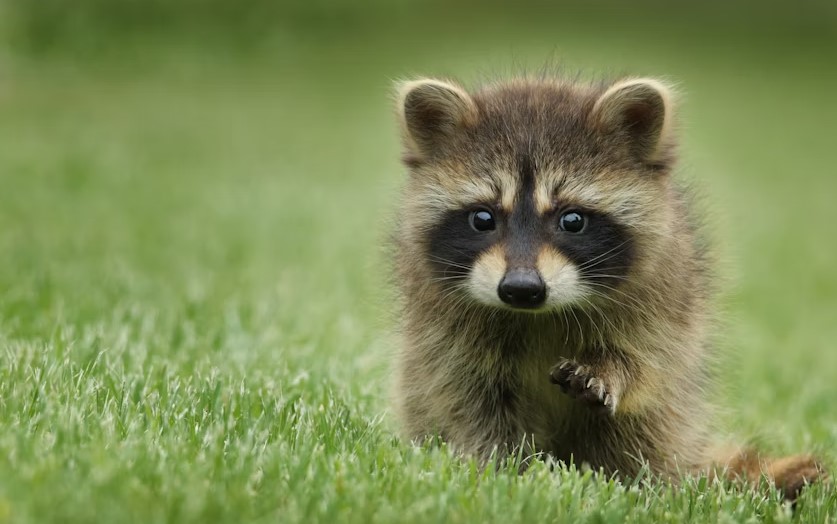
In areas where fish are scarce, bald eagles turn to small mammals. Rabbits, squirrels, muskrats, and even raccoons can become part of their diet.
Although mammals are not their primary food, they offer valuable protein and help eagles survive during times of limited fish availability.
5. Carrion – Dead Animals
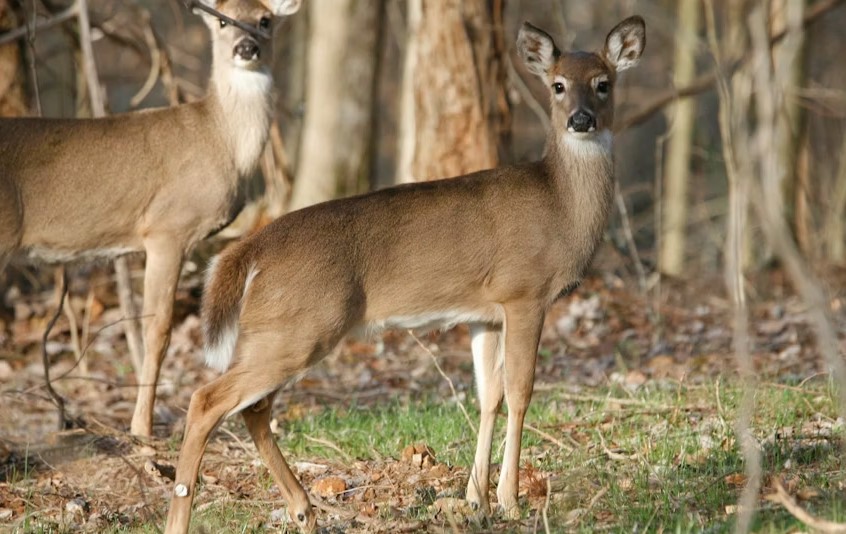
Bald eagles are skilled scavengers and will eat carrion, especially during winter. Dead fish, deer carcasses, and other animal remains become crucial food sources when hunting is difficult.
Scavenging helps bald eagles conserve energy while still meeting their nutritional needs.
6. Seabirds – Gulls and Cormorants
In coastal areas, bald eagles hunt seabirds such as gulls, cormorants, and pelicans. These birds are often caught while flying low or resting near water.
Seabirds provide lean meat and essential nutrients that support the eagle’s overall health.
7. Crustaceans – Crabs and Shellfish
Although not a major part of their diet, bald eagles occasionally eat crabs and other crustaceans. This is more common in coastal environments where shellfish are abundant.
Crustaceans add dietary variety and supply minerals like calcium.
8. Amphibians – Frogs and Turtles
Bald eagles sometimes prey on amphibians such as frogs and small turtles. These animals are usually caught in shallow water or wetlands.
While amphibians are not a primary food, they help diversify the eagle’s diet.
9. Reptiles – Snakes and Lizards
In warmer regions, bald eagles may hunt reptiles including snakes and large lizards. These prey items are usually taken when other food sources are limited.
Reptiles offer protein and are relatively easy targets in certain environments.
10. Stolen Prey – Opportunistic Feeding
Bald eagles are known for stealing food from other birds like ospreys. This behavior, called kleptoparasitism, allows them to gain food without expending much energy.
This strategy highlights the eagle’s intelligence and adaptability.
Seasonal Changes in Bald Eagle Diet
The diet of bald eagles changes with the seasons. During spring and summer, fish and waterfowl dominate. In fall, salmon runs provide abundant food, while winter diets often include carrion and mammals.
This flexibility is one of the reasons bald eagles have successfully recovered in many regions.
Human Impact on Bald Eagle Food Sources
Pollution, overfishing, and habitat destruction can reduce food availability for bald eagles. Conservation efforts focusing on clean water, protected habitats, and responsible fishing play a vital role in ensuring healthy eagle populations.
Organizations like wildlife conservation agencies provide valuable information and resources to support bald eagle protection.
FAQs About Best Foods For Bald Eagle
Do bald eagles only eat fish?
No, while fish are their main food, bald eagles eat birds, mammals, and carrion depending on availability.
How much food does a bald eagle eat daily?
An adult bald eagle typically eats about 5–10% of its body weight per day.
Can bald eagles hunt large animals?
They usually target smaller prey but may scavenge on larger carcasses.
Do bald eagles eat domestic animals?
Very rarely. They prefer wild prey and avoid human environments.
What do baby bald eagles eat?
Chicks are fed regurgitated fish and meat by their parents.
Is scavenging common for bald eagles?
Yes, especially during winter when live prey is harder to find.
Do bald eagles drink water?
They get most of their water from the food they eat.
How does diet affect bald eagle health?
A balanced natural diet supports strong feathers, bones, and overall survival.
Conclusion
The bald eagle’s diet reflects its strength, adaptability, and intelligence. From fish and salmon to birds and carrion, these powerful raptors rely on diverse food sources to survive across different landscapes and seasons.
Protecting their natural habitats and food supplies is essential for maintaining healthy bald eagle populations for future generations.
By understanding the top 10 best foods for bald eagles, we gain deeper respect for their role in the ecosystem and the importance of wildlife conservation.