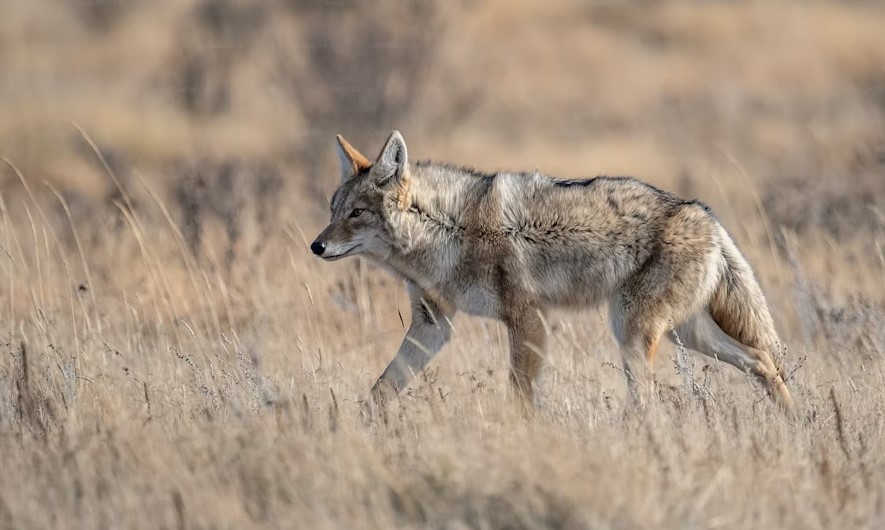
The gray wolf is one of the most powerful and intelligent predators in the wild. Known for its strong pack structure, endurance, and hunting skills, the gray wolf survives on a carefully balanced natural diet.
Understanding what gray wolves eat is important for wildlife enthusiasts, students, conservationists, and anyone curious about how nature maintains balance. This article explores the top 10 best foods for gray wolves based on their natural hunting behavior and ecological role.
Understanding the Natural Diet of Gray Wolves
Gray wolves are carnivorous mammals, meaning they rely primarily on meat for survival. Their diet depends on habitat, season, and prey availability. Wolves living in forests, tundra, grasslands, or mountainous regions adapt their feeding habits accordingly.
In the wild, wolves prefer large ungulates, but they are also opportunistic feeders. When large prey is scarce, they may hunt smaller animals or consume carrion. This adaptability is one of the reasons gray wolves have survived for thousands of years across different continents.
Here Are The Full Details About Top 10 Best Foods For Gray Wolf
1. Deer
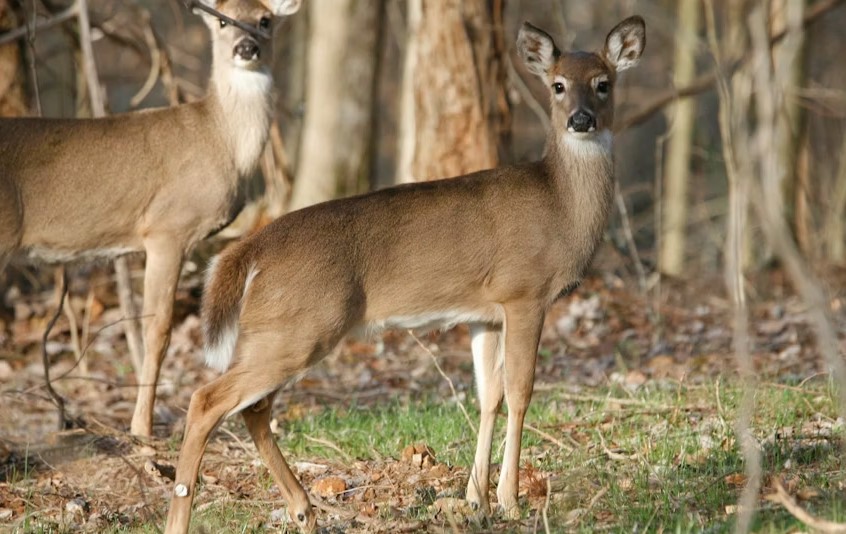
Deer are one of the most important food sources for gray wolves. In many regions, deer populations provide a stable and nutritious diet. Wolves often target weak, old, or injured deer, which helps maintain healthy prey populations.
Deer meat is rich in protein and fat, providing the energy wolves need for long-distance travel and hunting. The size of a deer also makes it an efficient meal for an entire wolf pack.
2. Elk
Elk are among the preferred large prey animals for gray wolves, especially in North America. Although elk are larger and stronger than deer, wolves use teamwork and endurance to bring them down.
Elk provide a high amount of calories, fat, and muscle tissue. A single successful elk hunt can feed a wolf pack for several days, making it a valuable food source.
3. Moose
Moose are one of the largest animals hunted by gray wolves. While not an easy target, wolves often hunt moose during winter when deep snow limits the animal’s movement.
Moose meat is extremely nutritious and can sustain a pack for a long time. Wolves typically focus on calves or weakened adults, reducing the risk of injury during the hunt.
4. Bison
In certain regions, gray wolves hunt bison, though this is rare and dangerous. Bison are powerful animals, and wolves usually rely on large packs and favorable conditions to succeed.
When successful, a bison kill provides an enormous amount of food. This kind of hunt demonstrates the intelligence, coordination, and patience of wolves.
5. Caribou
In northern and Arctic regions, caribou are a major food source for gray wolves. Wolves often follow migrating caribou herds over long distances.
Caribou meat is lean but rich in essential nutrients. Wolves adapt their hunting strategies based on the seasonal movement of caribou, showing their deep connection to natural cycles.
6. Wild Boar
Wild boar are another important prey species for gray wolves in parts of Europe and Asia. These animals are aggressive and strong, making them challenging prey.
Despite the danger, wild boar offer high-energy meat and fat. Wolves usually target younger or injured boars to reduce risk during the hunt.
7. Rabbits and Hares
When larger prey is scarce, gray wolves may hunt smaller animals such as rabbits and hares. While these animals cannot feed a whole pack for long, they provide a quick energy source.
Small prey is especially important for lone wolves or during seasons when big game is difficult to catch.
8. Rodents
Rodents such as mice, voles, and ground squirrels are not a primary food source, but wolves will eat them when available. This behavior shows the wolf’s opportunistic nature.
Although rodents provide limited nutrition, they help wolves survive during periods of food shortage.
9. Birds
Gray wolves occasionally hunt ground-nesting birds or scavenge bird remains. Birds are more commonly eaten during spring and summer.
While birds do not make up a large portion of a wolf’s diet, they still contribute protein and variety when other prey is limited.
10. Carrion
Carrion, or the remains of dead animals, plays an important role in a gray wolf’s diet. Wolves will feed on carcasses left behind by other predators or animals that died naturally.
This behavior reduces waste in the ecosystem and helps wolves survive during harsh conditions. Eating carrion does not make wolves weak; it shows their adaptability.
Why a Natural Diet Is Important for Gray Wolves?
A natural diet allows gray wolves to remain healthy, strong, and active. Hunting provides physical exercise, mental stimulation, and social bonding within the pack.
When wolves are removed from their natural diet or ecosystem, imbalances can occur. This is why conservation efforts focus on protecting both wolves and their prey.
Role of Gray Wolves in the Ecosystem
Gray wolves are known as keystone species. By controlling prey populations, they prevent overgrazing and promote plant growth.
This balance supports other wildlife species and maintains healthy forests and grasslands. The wolf’s diet directly influences the health of entire ecosystems.
FAQs About Best Foods For Gray Wolf
Do gray wolves eat plants?
Gray wolves are primarily carnivores, but they may occasionally consume berries or grass. These plant materials do not replace meat in their diet.
How much food does a gray wolf need daily?
An adult gray wolf may eat several kilograms of meat in one feeding but can go days without food after a large meal.
Do gray wolves hunt alone or in packs?
Wolves usually hunt in packs when targeting large prey, but they can hunt alone for smaller animals.
Are gray wolves dangerous to humans because of their diet?
Gray wolves generally avoid humans. Their diet consists of wild animals, not people.
Do gray wolves eat livestock?
In rare cases, wolves may attack livestock if natural prey is unavailable, which is why proper wildlife management is important.
How do wolves choose which animal to hunt?
Wolves usually target animals that are weak, sick, or old, as these are easier to catch.
Can gray wolves survive without large prey?
Yes, wolves can survive on smaller animals and carrion for short periods, but large prey is essential for long-term survival.
Do gray wolves store food?
Wolves do not store food like some animals, but they may return to a kill site multiple times until the meat is finished.
Conclusion
The gray wolf’s diet reflects its strength, intelligence, and adaptability. From large animals like elk and moose to smaller prey and carrion, wolves rely on a wide range of food sources to survive in the wild.
Understanding the top 10 best foods for gray wolves helps us appreciate their role in nature and the importance of protecting their habitats. By allowing wolves to hunt naturally, ecosystems remain balanced, healthy, and resilient for future generations.