Coyotes are one of the most adaptable wild animals in North America. Found in deserts, forests, grasslands, mountains, and even urban areas, coyotes survive because of their highly flexible diet. Many people are curious about what coyotes eat, especially farmers, wildlife enthusiasts, and homeowners living near coyote habitats.
This article explores the Top 10 Best Foods For Coyote based on their natural feeding behavior in the wild. The focus is on foods that provide proper nutrition, support survival, and match their natural hunting and scavenging instincts.
This guide is written in a simple, human-like way to help readers clearly understand how coyotes feed and why these foods are important for them.
Why Knowing Coyote Diet Is Important?
Understanding what coyotes eat helps people coexist safely with them. Coyotes are not picky eaters. They are omnivores, meaning they eat both animal-based and plant-based foods. Their diet changes depending on season, availability, and environment.
Knowing their preferred foods can help reduce conflicts, protect livestock, and avoid unintentionally attracting coyotes to residential areas. It also helps wildlife lovers understand how coyotes play a vital role in controlling rodent populations and maintaining ecosystem balance.
Here Are The Full Details About Top 10 Best Foods For Coyote
1. Small Mammals (Rabbits, Mice, and Rats)
Small mammals are the most important and natural food source for coyotes. Rabbits, mice, voles, and rats make up a large portion of their daily diet. These animals are rich in protein and fat, which provide energy for hunting, traveling long distances, and surviving harsh weather.
Coyotes are skilled hunters and can catch small mammals using speed, patience, and sharp senses. In rural and wild areas, this food source helps keep rodent populations under control, which benefits farmers and ecosystems.
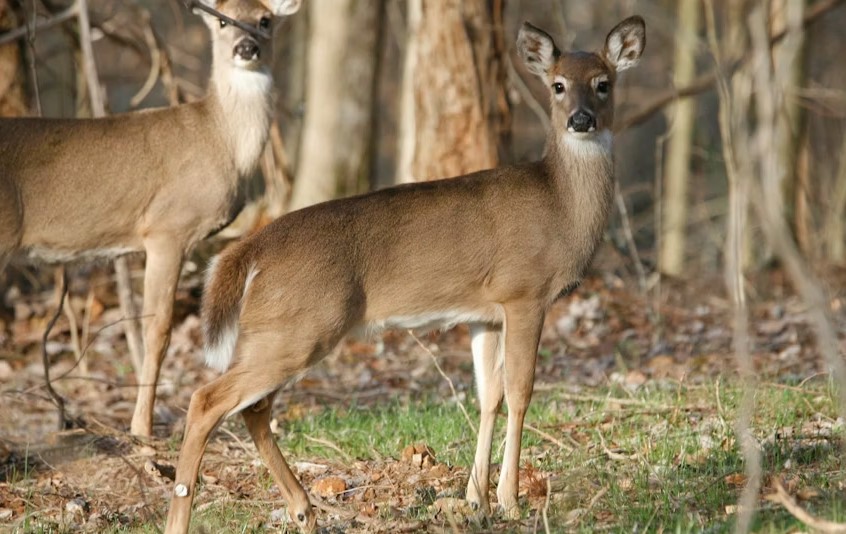
2. Deer (Mostly Carrion and Fawns)
Coyotes do not usually hunt adult deer, but they commonly feed on deer in other ways. During winter, coyotes often eat deer carcasses left behind by predators or vehicles. In spring and early summer, they may prey on weak or unattended fawns.
Deer meat is highly nutritious and provides essential protein. Scavenging on deer carcasses also helps clean the environment by removing dead animals.
3. Birds and Bird Eggs
Birds are another valuable food source for coyotes. Ground-nesting birds, injured birds, and young chicks are easier targets. Coyotes also eat bird eggs when they find nests on the ground.
Birds provide protein and healthy fats. While this may affect some bird populations locally, it is a natural part of the food chain.
4. Insects and Bugs
Insects may seem like a small meal, but they are very important for coyotes, especially during warmer months. Grasshoppers, beetles, crickets, and caterpillars are commonly eaten.
Insects are easy to catch and rich in nutrients. During summer, insects can make up a surprising portion of a coyote’s diet, helping them survive when larger prey is less available.
5. Fruits and Berries
Coyotes regularly eat fruits and berries, especially in late summer and fall. Common choices include berries, apples, pears, grapes, and wild fruits.
These foods provide vitamins, minerals, and natural sugars. Fruits also help with digestion. Coyotes living near farms or suburban areas may eat fallen fruits from trees.
6. Fish
Coyotes living near rivers, lakes, or coastal areas sometimes eat fish. They may catch fish in shallow water or scavenge dead fish washed ashore.
Fish are rich in protein and healthy oils. While not a primary food source, fish can be an important seasonal supplement in certain habitats.
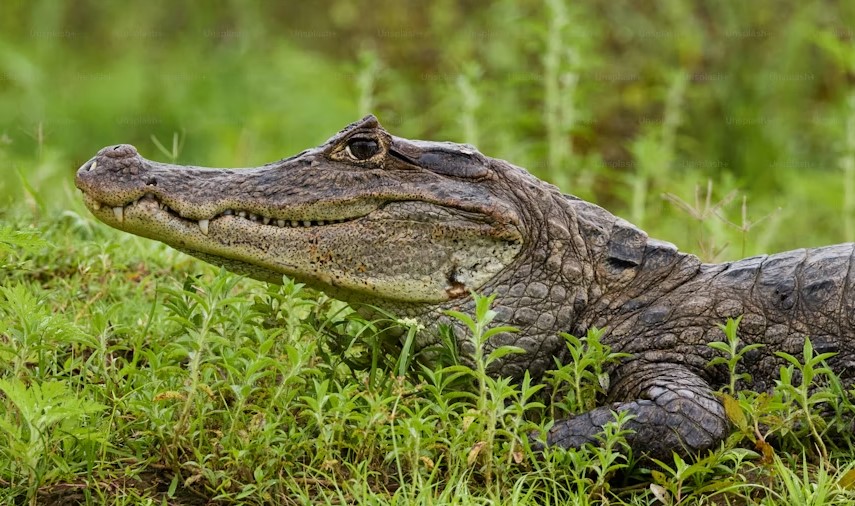
7. Reptiles and Amphibians
Snakes, lizards, frogs, and toads are also part of a coyote’s diet. These animals are easier to catch in warm seasons when they are active.
Reptiles and amphibians provide protein and moisture, which is helpful in dry environments. Coyotes’ adaptability allows them to take advantage of these food sources whenever available.
8. Livestock (Opportunistic Feeding)
In some rural areas, coyotes may prey on small livestock such as chickens, lambs, or young goats. This usually happens when natural prey is scarce or when livestock is poorly protected.
While livestock is not a preferred food, coyotes are opportunistic and will take advantage of easy meals. Proper fencing and animal protection methods can reduce these incidents.
9. Human Food Waste and Garbage
Coyotes living near cities and towns often scavenge human food waste. They may eat leftovers, discarded meat, bread, and other food scraps found in trash.
Although this helps coyotes survive in urban areas, it is not healthy for them and can increase human-wildlife conflicts. Feeding coyotes directly or leaving food accessible is strongly discouraged.
10. Carrion (Dead Animals)
Carrion is an important food source, especially during winter. Coyotes will eat animals that have died from natural causes, accidents, or other predators.
This scavenging behavior plays a key role in nature by reducing the spread of disease and cleaning the environment. Coyotes’ strong stomachs allow them to safely consume decaying meat.
Seasonal Changes in a Coyote’s Diet
A coyote’s diet changes with the seasons. In spring and summer, small mammals, insects, fruits, and young animals are more common. In fall, fruits and berries become important. During winter, carrion and larger prey make up most of their meals.
This seasonal flexibility is one of the main reasons coyotes have survived and expanded into new areas across North America.
FAQs About Best Foods For Coyote
Are coyotes strictly carnivores?
No, coyotes are omnivores. They eat both animal-based and plant-based foods depending on availability.
Do coyotes attack humans for food?
Attacks on humans are extremely rare. Coyotes prefer natural prey and usually avoid people.
Is it safe to feed coyotes?
No, feeding coyotes can make them lose their fear of humans and create dangerous situations.
What do coyotes eat in urban areas?
In cities, coyotes often eat rodents, garbage, pet food left outside, fruits, and small animals.
Do coyotes eat pets?
In rare cases, coyotes may prey on unattended small pets, especially at night.
How much food does a coyote eat daily?
An adult coyote typically eats about 1 to 2 pounds of food per day, depending on size and activity level.
Do coyotes store food?
Yes, coyotes sometimes bury leftover food to eat later when food is scarce.
What attracts coyotes to residential areas?
Easy access to food such as trash, pet food, fallen fruits, and rodents attracts coyotes.
Conclusion
Coyotes are highly intelligent and adaptable animals with a diverse diet. The best foods for coyotes are those that match their natural eating habits, including small mammals, birds, fruits, insects, and carrion. Their ability to adjust their diet based on environment and season allows them to thrive in many different landscapes.
Understanding what coyotes eat helps humans appreciate their role in nature and encourages responsible behavior to reduce conflicts. By respecting wildlife and keeping food sources secure, people and coyotes can coexist more peacefully.