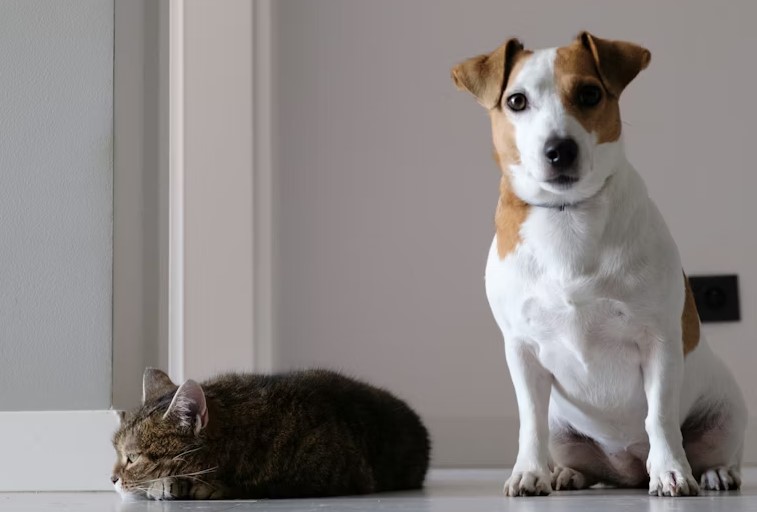
Keeping pets indoors has become increasingly common in modern households. Whether you share your home with a cat, dog, rabbit, bird, or other small companion animal, indoor living offers safety, comfort, and a closer bond between pets and their owners.
However, indoor pets rely entirely on their caregivers for physical health, emotional well-being, and mental stimulation. This makes proper animal care not just important, but essential.
Indoor pets may be protected from outdoor dangers like traffic, predators, and harsh weather, but they face unique challenges such as limited space, boredom, lack of exercise, and environmental stress.
This article explores animal care essentials for indoor pets in a practical, human-centered way, focusing on daily habits, nutrition, health care, environment, and emotional needs. The goal is to help pet owners create a safe, healthy, and happy indoor life for their beloved companions.
Understanding the Needs of Indoor Pets
Every animal has natural instincts shaped by evolution. When pets live indoors, these instincts do not disappear; they simply need to be fulfilled in different ways. Cats still want to climb and hunt, dogs need movement and social interaction, birds require mental stimulation, and small mammals need safe spaces to explore.
Understanding your pet’s species, breed, age, and personality is the foundation of good indoor care. A young, energetic dog will have very different needs compared to a senior cat or a quiet hamster. Paying attention to behavior, appetite, and activity levels helps owners identify what their pets truly need to thrive indoors.
Creating a Safe and Comfortable Indoor Environment
A safe home environment is the first step in responsible indoor pet care. Pets are curious by nature, and common household items can pose serious risks. Electrical cords, toxic plants, cleaning chemicals, and small objects should be kept out of reach.
Comfort is equally important. Indoor pets need designated areas for rest, play, eating, and toileting. Soft bedding, proper ventilation, and a stable room temperature contribute to overall well-being. Noise levels should also be considered, as constant loud sounds can cause stress, especially for birds and small animals.
Pet-Proofing Your Home
Pet-proofing goes beyond basic cleanliness. It involves seeing your home from your pet’s perspective. Cats may jump onto shelves, dogs may chew furniture, and rabbits may nibble wires. Using protective covers, secure storage, and pet-safe furniture can prevent accidents.
Windows and balconies should be secured with screens to prevent falls. Trash bins should have lids, and food items that are unsafe for pets must be stored properly. These small precautions can prevent emergencies and give pets the freedom to explore safely.
Balanced Nutrition for Indoor Pets
Nutrition plays a vital role in the health of indoor pets. Since indoor animals often get less physical activity than outdoor pets, their diets must be carefully balanced to prevent obesity and related health issues.
High-quality pet food appropriate for your pet’s species and life stage is essential. Cats require protein-rich diets, dogs need balanced nutrients, and small animals often depend on hay, fresh vegetables, and species-specific pellets. Fresh water should always be available and changed daily.
Feeding Schedules and Portion Control
Establishing a regular feeding schedule helps maintain digestive health and prevents overeating. Free-feeding may work for some pets, but many benefit from measured portions given at specific times.
Overfeeding is a common issue among indoor pets. Treats should be given sparingly and used mainly for training or bonding. Monitoring weight and body condition can help owners adjust portions before health problems arise.
Importance of Physical Activity Indoors
Exercise is not optional for indoor pets. Lack of movement can lead to weight gain, muscle weakness, and behavioral issues. While indoor spaces may be limited, creative solutions can ensure pets stay active.
Dogs benefit from daily walks, indoor games, and training exercises. Cats enjoy interactive toys, climbing trees, and short play sessions that mimic hunting behavior. Even small pets need opportunities to move and explore within safe boundaries.
Mental Stimulation and Enrichment
Mental health is just as important as physical health for indoor pets. Boredom can lead to destructive behavior, anxiety, and depression. Enrichment activities help keep pets mentally engaged.
Puzzle feeders, rotating toys, training sessions, and interactive play all provide mental stimulation. Changing routines occasionally and introducing new challenges can keep indoor pets curious and satisfied.
Maintaining Hygiene and Cleanliness
Indoor pets share close living spaces with humans, making hygiene a key aspect of care. Regular cleaning of litter boxes, cages, bedding, and feeding areas helps prevent odors, infections, and parasites.
Pets themselves also need grooming. Brushing removes loose fur, reduces shedding, and helps detect skin issues early. Nail trimming, ear cleaning, and dental care should be part of a regular routine.
Litter Training and Toilet Management
Proper toilet habits are essential for indoor living. Cats usually adapt well to litter boxes, but cleanliness and location matter. The box should be easily accessible, cleaned daily, and placed in a quiet area.
Dogs may use indoor pads or need regular outdoor breaks. Small animals require frequent cage cleaning. Consistency and patience are key to maintaining good toilet behavior indoors.
Regular Veterinary Care for Indoor Pets
Even indoor pets need regular veterinary check-ups. Preventive care helps detect health issues early, saving both discomfort for the pet and cost for the owner.
Vaccinations, parasite prevention, dental check-ups, and routine exams are essential. Indoor pets can still be exposed to illnesses through humans, other animals, or contaminated objects.
Recognizing Signs of Illness Early
Indoor pets cannot communicate pain in words, so owners must watch for changes in behavior, appetite, energy levels, and appearance. Subtle signs like hiding, aggression, or excessive grooming can indicate health problems.
Prompt veterinary attention when something seems wrong can make a significant difference in treatment outcomes. Trusting your instincts as a pet owner is an important part of responsible care.
Emotional Well-Being and Bonding
Indoor pets often form strong emotional bonds with their owners. This connection is a source of comfort and security for animals, but it also means they can experience loneliness or separation anxiety.
Spending quality time with pets through play, training, and gentle interaction strengthens trust. Consistent routines help pets feel safe and reduce stress, especially in busy households.
Managing Stress and Anxiety Indoors
Changes in environment, schedule, or household members can affect indoor pets deeply. Providing safe hiding spots, maintaining routines, and offering reassurance can help reduce anxiety.
For pets that struggle with stress, calming products, behavioral training, or professional advice may be beneficial. A calm indoor environment supports both emotional and physical health.
Socialization for Indoor Pets
Social interaction is important, even for pets that live indoors. Dogs need exposure to people and other animals, while cats benefit from gentle interaction and controlled introductions.
Small pets and birds also require social engagement, either with humans or compatible companions. Proper socialization helps prevent fear-based behaviors and builds confidence.
Adapting Care as Pets Age
As indoor pets grow older, their needs change. Senior pets may require softer bedding, modified diets, and more frequent health check-ups. Activity levels may decrease, but mental stimulation remains important.
Adjusting care routines with age shows respect and love for pets throughout their lives. Comfort, dignity, and quality of life should always be priorities.
Common Mistakes in Indoor Pet Care
Many well-meaning owners make mistakes without realizing it. Overfeeding, lack of exercise, ignoring mental health, and skipping vet visits are among the most common issues.
Another mistake is assuming indoor pets do not need as much attention as outdoor animals. In reality, indoor pets depend entirely on their owners for enrichment and care.
Long-Term Commitment to Indoor Pets
Bringing a pet into your home is a long-term responsibility. Indoor pets rely on consistency, patience, and understanding from their caregivers.
By learning continuously and adapting care practices, owners can provide a fulfilling indoor life for their pets. The reward is a deep, lasting bond built on trust and care.
FAQs About Animal Care Essentials For Indoor Pets
Are indoor pets healthier than outdoor pets?
Indoor pets are generally safer from accidents and diseases, but their health depends on proper care, exercise, and mental stimulation.
How much exercise do indoor pets need?
The amount varies by species and age, but all indoor pets need daily physical activity suited to their abilities.
Can indoor pets suffer from boredom?
Yes, boredom is common in indoor pets and can lead to behavioral problems if mental stimulation is lacking.
Do indoor pets still need vaccinations?
Yes, indoor pets should follow a veterinarian-recommended vaccination schedule for preventive health.
How often should indoor pets see a veterinarian?
Most pets should have at least one check-up per year, while senior pets may need more frequent visits.
Is grooming necessary for indoor pets?
Regular grooming is important for hygiene, comfort, and early detection of health issues.
Can indoor pets experience stress?
Yes, changes in routine or environment can cause stress, which should be managed with patience and proper care.
What is the biggest challenge of keeping pets indoors?
The biggest challenge is meeting their physical and mental needs within a limited space.
Conclusion
Caring for indoor pets is about more than providing food and shelter. It requires attention to physical health, mental stimulation, emotional well-being, and environmental safety. When these elements come together, indoor pets can live long, healthy, and deeply fulfilling lives.
By understanding your pet’s needs and committing to consistent, thoughtful care, you create a home where animals feel secure, loved, and valued. Indoor pet care is a journey, and with the right approach, it becomes one of the most rewarding experiences a pet owner can have.