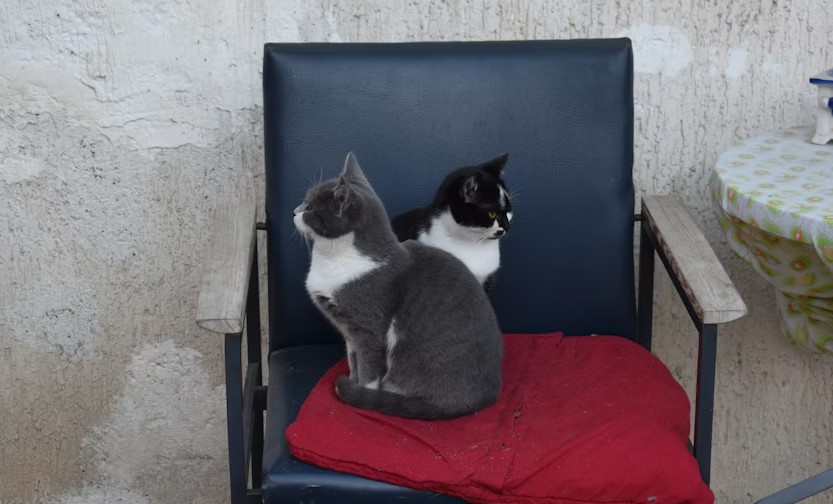
Pets are not just animals living in our homes; they are family members who depend on us for their health, happiness, and well-being. In recent years, many pet owners have started looking beyond conventional care and have shown interest in natural animal care methods for pets.
This approach focuses on supporting the body’s natural balance through proper nutrition, lifestyle management, preventive care, and gentle remedies derived from nature.
Natural pet care does not mean rejecting modern veterinary medicine. Instead, it encourages a balanced approach where natural methods are used alongside professional veterinary guidance.
This article explores practical, safe, and effective natural animal care methods that help pets live healthier and more comfortable lives.
Understanding the Philosophy of Natural Pet Care
Natural pet care is based on the idea that animals thrive best when their physical, emotional, and environmental needs are met in a balanced way. Rather than only treating symptoms, this approach focuses on prevention and long-term wellness.
Key principles of natural animal care include:
- Providing species-appropriate, high-quality nutrition
- Reducing exposure to harmful chemicals
- Supporting mental and emotional well-being
- Using natural remedies responsibly and safely
- Encouraging regular physical activity
The Importance of Natural Nutrition for Pets
Nutrition plays a vital role in natural animal care methods for pets. A well-balanced diet supports strong immunity, healthy digestion, shiny coats, and overall vitality.
Many commercial pet foods contain artificial colors, preservatives, and low-quality fillers. Natural nutrition focuses on whole, minimally processed ingredients that meet a pet’s biological needs.
Choosing Natural and Whole-Food Diets
A natural pet diet often includes high-quality proteins, healthy fats, and essential vitamins and minerals. Depending on the pet, this may involve:
- Fresh or lightly cooked meals prepared at home
- High-quality natural commercial foods with clean ingredient labels
- Limited ingredient diets for sensitive pets
Before making dietary changes, consulting a veterinarian or a certified pet nutritionist is recommended. This ensures the diet is complete and suitable for the pet’s age, size, and health condition.
Hydration and Its Role in Natural Pet Care
Clean, fresh water is often overlooked but is a cornerstone of natural animal care. Proper hydration supports kidney function, digestion, and temperature regulation.
Providing filtered water and regularly cleaning water bowls can reduce exposure to impurities and bacteria. Some pets also benefit from moisture-rich foods that naturally increase water intake.
Herbal Remedies and Natural Supplements for Pets
Herbal remedies have been used for centuries to support animal health. When used correctly, they can complement traditional treatments and support overall wellness.
Common natural supplements may include:
- Omega-3 fatty acids for skin and joint health
- Probiotics for digestive balance
- Herbs that support calm behavior and immune function
It is important to remember that not all herbs are safe for pets. Dosage and suitability vary by species, so professional guidance is essential.
Natural Grooming Practices for Pets
Grooming is more than appearance; it is an essential part of natural animal care. Regular grooming helps detect early signs of skin issues, parasites, or discomfort.
Natural grooming practices may include:
- Using gentle, plant-based shampoos
- Regular brushing to remove loose fur and improve circulation
- Natural paw and coat balms to protect against dryness
Exercise and Movement as Natural Therapy
Physical activity is a natural and powerful way to maintain a pet’s health. Exercise supports muscle strength, joint flexibility, cardiovascular health, and mental stimulation.
Different pets have different exercise needs. Dogs may enjoy daily walks and playtime, while cats benefit from interactive toys and climbing spaces. Consistent movement also helps prevent obesity and related health problems.
Creating a Stress-Free Environment for Pets
Emotional well-being is an often underestimated part of natural animal care methods for pets. Stress can weaken immunity and contribute to behavioral issues.
A calm environment can be created by:
- Maintaining a consistent daily routine
- Providing safe resting spaces
- Using natural calming aids when needed
Natural Preventive Care and Parasite Control
Preventive care is a major focus of natural pet care. This includes regular health checks, dental care, and safe parasite management.
Some pet owners choose natural parasite prevention options such as herbal sprays or essential oil-based products. However, effectiveness can vary, and safety must always come first. Veterinary advice is crucial before switching from conventional preventives.
The Role of Clean Living Spaces in Pet Health
A clean living environment supports both pets and their owners. Natural cleaning products help reduce exposure to harsh chemicals that may irritate a pet’s skin or respiratory system.
Regular cleaning of bedding, toys, and feeding areas also reduces allergens and bacteria, contributing to better overall health.
Balancing Natural Care with Veterinary Support
Natural animal care methods work best when combined with professional veterinary care. Routine check-ups, vaccinations when appropriate, and early diagnosis of health issues are essential.
Open communication with a veterinarian ensures that natural approaches are used safely and effectively without compromising medical care.
FAQs About Natural Animal Care Methods For Pets
Is natural pet care suitable for all pets?
Natural pet care can benefit many pets, but each animal is unique. Age, health condition, and species must be considered before adopting natural methods.
Can natural remedies replace veterinary treatment?
Natural remedies should not replace professional veterinary treatment, especially for serious conditions. They are best used as supportive care.
Are natural pet foods always better than commercial foods?
Not all natural foods are automatically better. Quality, balance, and nutritional completeness are more important than labels.
How can I tell if a natural supplement is safe for my pet?
Always consult a veterinarian before introducing supplements. Safety depends on the pet’s size, species, and health status.
Do pets really benefit from a chemical-free environment?
Reducing unnecessary chemical exposure can support skin health, respiratory comfort, and overall well-being.
How long does it take to see results from natural care methods?
Results vary. Some changes may be noticed within weeks, while others require consistent care over months.
Can senior pets benefit from natural animal care methods?
Yes, senior pets often benefit from gentle nutrition, joint support, and stress reduction offered by natural care approaches.
Conclusion
Natural animal care methods for pets offer a thoughtful and balanced approach to pet wellness. By focusing on nutrition, exercise, emotional well-being, and preventive care, pet owners can support healthier and happier lives for their companions.
While natural care is not a replacement for veterinary medicine, it serves as a valuable complement that emphasizes prevention and long-term wellness.
With proper guidance and mindful choices, natural pet care can become a meaningful part of responsible pet ownership.