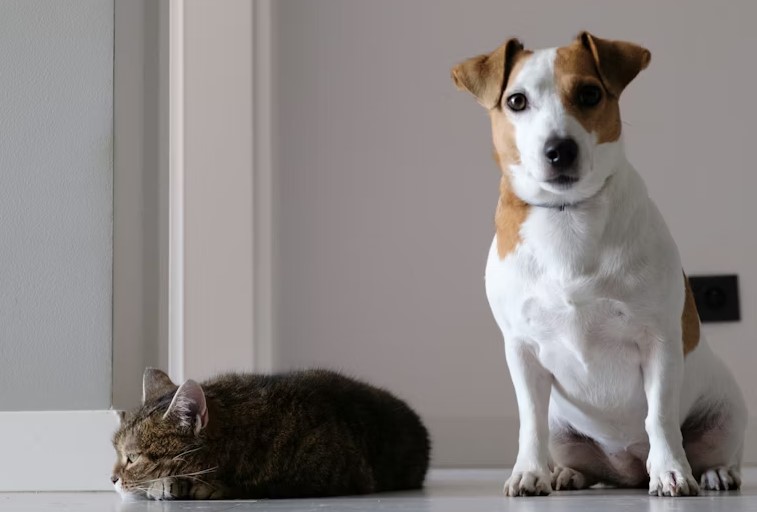
Pets are not just animals living in our homes; they are family members who depend on us for their health, happiness, and safety. A proper daily animal care routine for pets ensures that they live a long, comfortable, and stress-free life.
Whether you have a dog, cat, bird, rabbit, or any other domestic pet, consistent care plays a vital role in their overall well-being. This article provides a complete, practical, and easy-to-follow guide to daily pet care that any responsible pet owner can implement.
Understanding Your Pet’s Daily Needs
Every pet is unique, and their daily care routine depends on their species, breed, age, size, and health condition. Dogs require regular walks and training, cats need mental stimulation and clean litter boxes, while birds and small animals need clean cages and social interaction. Understanding these needs helps prevent illness, behavioral issues, and stress.
Morning Routine for Pet Care
A good day for your pet starts in the morning. Morning routines help set a stable pattern that pets quickly get used to.
Feeding Your Pet Properly
Morning feeding is essential for maintaining energy levels. Always provide fresh, clean water along with balanced food suitable for your pet’s age and species. Avoid giving human food unless approved by a veterinarian. Measuring food portions helps prevent obesity and digestive problems.
Morning Exercise and Activity
Physical activity is crucial for pets, especially dogs. A morning walk, light playtime, or stretching helps improve digestion, muscle health, and mental alertness. Even indoor pets like cats benefit from short interactive play sessions.
Personal Hygiene Check
A quick hygiene check in the morning can help identify problems early. Look for signs like dirty eyes, unusual discharge, limping, or changes in behavior. Brushing fur lightly can also reduce shedding and strengthen bonding.
Midday Care and Monitoring
Midday care focuses on maintaining comfort and monitoring your pet’s environment, especially if you are away from home for work.
Ensuring a Clean and Safe Environment
Pets spend most of their time indoors, so cleanliness is essential. Clean food bowls, refresh water, and remove waste from litter boxes or cages. A clean environment reduces bacteria, odors, and stress for both pets and owners.
Mental Stimulation During the Day
Mental health is as important as physical health. Toys, puzzle feeders, scratching posts, or safe chew items keep pets engaged. For birds and small animals, rotating toys prevents boredom and destructive behavior.
Monitoring Behavior and Appetite
Changes in eating habits or activity levels can be early signs of illness. Pay attention to how much your pet eats, drinks, and moves throughout the day. Early detection can save both time and veterinary costs.
Evening Pet Care Routine
Evenings are ideal for strengthening the bond between you and your pet. This time allows for relaxed interaction and proper care before rest.
Evening Feeding Schedule
Most pets benefit from two meals a day. Evening meals should be lighter than morning meals to prevent digestive discomfort. Always stick to a consistent schedule, as pets feel secure with routine.
Exercise and Playtime
Evening exercise helps release built-up energy and reduces nighttime restlessness. Dogs may enjoy another walk, while cats often become active during evening hours. Interactive play strengthens trust and reduces anxiety.
Grooming and Coat Care
Daily or regular grooming keeps your pet clean and comfortable. Brushing removes dirt, loose hair, and prevents matting. Nail checks, ear cleaning, and paw inspection should be done gently and consistently.
Nighttime Comfort and Sleep Preparation
Proper rest is essential for pet health. Preparing a comfortable sleeping area helps pets relax and sleep peacefully.
Creating a Calm Sleeping Space
Ensure your pet has a quiet, clean, and comfortable place to sleep. Bedding should be washed regularly, and the sleeping area should be free from loud noise and harsh lighting.
Final Health Check Before Bed
A quick check before bedtime ensures your pet is safe and comfortable. Look for signs of discomfort, injuries, or unusual behavior. This habit strengthens awareness and responsibility as a pet owner.
Importance of Daily Health Monitoring
Daily health monitoring helps detect issues early. Checking teeth, gums, eyes, ears, and coat condition regularly prevents serious health complications. Keeping a small journal of behavior and appetite changes can be very helpful during veterinary visits.
Emotional Care and Social Interaction
Pets thrive on love and attention. Talking, gentle touching, and spending quality time with your pet improves emotional stability. Loneliness can cause depression and behavioral problems, especially in social animals.
Special Care for Different Types of Pets
Different pets require different care routines. Dogs need outdoor exercise, cats need climbing and scratching areas, birds need social interaction, and small animals require clean habitats and gentle handling. Always research your specific pet type for best results.
Seasonal Adjustments in Daily Pet Care
Weather affects pets just like humans. During hot seasons, ensure hydration and shade. In colder months, provide warmth and reduce exposure to harsh conditions. Seasonal care adjustments keep pets comfortable year-round.
Common Mistakes in Daily Pet Care
Skipping meals, ignoring exercise, overfeeding, and lack of attention are common mistakes. Avoid sudden changes in routine, as pets rely heavily on consistency. Always consult a veterinarian before making major changes.
Benefits of Maintaining a Daily Animal Care Routine
A consistent care routine improves physical health, emotional stability, and lifespan of pets. It also strengthens the bond between pets and owners, creating a peaceful and joyful living environment.
FAQs About Daily Animal Care Routine For Pets
How many times a day should I feed my pet?
Most pets benefit from two meals a day, but feeding frequency depends on age, species, and health condition.
Is daily exercise necessary for all pets?
Yes, daily physical or mental activity is important for maintaining health, even for indoor pets.
How can I tell if my pet is stressed?
Signs include loss of appetite, unusual behavior, excessive grooming, or withdrawal from interaction.
Do pets need grooming every day?
Not all pets need daily grooming, but regular brushing and hygiene checks are recommended.
Why is routine important for pets?
Routine provides stability, reduces anxiety, and helps pets feel safe and secure.
Can changes in behavior indicate illness?
Yes, sudden changes in eating, sleeping, or activity levels may signal health issues and should be monitored closely.
How much time should I spend with my pet daily?
Quality time matters more than quantity, but daily interaction is essential for emotional health.
Conclusion
A well-planned daily animal care routine for pets is the foundation of a happy and healthy life. From proper feeding and exercise to emotional support and hygiene, every small effort makes a big difference.
Consistency, patience, and love are the keys to responsible pet ownership. By following a structured daily routine, you not only improve your pet’s quality of life but also build a lifelong bond based on trust and care.